Apple v. OpenAI: The Trade Secret Lesson Every Fast-Hiring Startup Should Read Twice
By Babak Akhlaghi on July 24, 2026. I advise technology startups on IP strategy, and I teach legal aspects of entrepreneurship at the University of Maryland. When Apple filed its trade secret lawsuit against OpenAI in July, most people read it as a clash between two giants.
I read it as a case study in how careless internal culture becomes courtroom evidence.
Apple sued OpenAI and two former employees, Chang Liu and Tang Yew Tan, in the Northern District of California, alleging misappropriation of hardware trade secrets covering product designs, manufacturing processes, and supply chain strategies. More than 400 former Apple employees now work at OpenAI. Hiring from a competitor is legal. The allegation that makes this case different is that OpenAI actively directed the misappropriation rather than passively benefiting from it.
That distinction should get the attention of every founder who is hiring aggressively right now.
The Show-and-Tell Problem
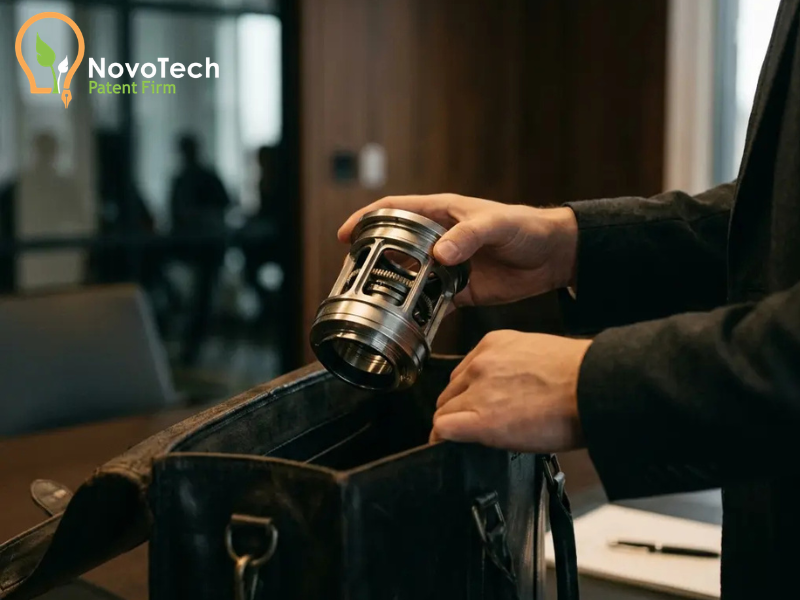
Apple alleges that Tan, now OpenAI’s hardware chief, encouraged Apple employees to bring confidential parts to job interviews for “show and tell” sessions. One candidate allegedly said he “didn’t even know we could take those from the office.”
Receiving confidential information passively is one legal problem. Orchestrating its arrival is a far more serious one. Courts treat these very differently. If a new employer knows in advance that confidential material is coming through the door, and structures its interviews to elicit it, that employer faces direct liability for the misappropriation itself.
These remain allegations, and OpenAI denies interest in other companies’ trade secrets. The fact pattern still teaches the lesson.
The Email That Will Get You Deposed
One reframe clarifies the risk better than any legal memo.
Imagine every email placed in front of a jury. When you write it, ask yourself: am I ready to be deposed on these words?
The single most dangerous thing a hiring manager can do when recruiting from a competitor is ask, even as a joke, “so what secrets did you pick up over there?” In the moment it feels like banter. In discovery, context disappears. Words are all that’s left.
A joking Slack message can become the strongest evidence of directed misappropriation in the entire case. The paper trail that destroys a company rarely comes from a disgruntled engineer. It comes from a manager who didn’t know better.
Train your managers, not just your employees.
General Knowledge Versus Trade Secrets
Employees can take their general knowledge and skills to a new employer. That is legal and protected, especially in California. A hardware engineer who leaves Apple can still do hardware engineering at OpenAI.
The line is this: are you using your general knowledge, or your former employer’s confidential information?
General knowledge lives in your mind. It does not exist in confidential paperwork, on a retained laptop, or on a disc that was never returned.
Apple alleges that Liu kept a company laptop, exploited an authentication vulnerability to access Apple’s network after leaving, and downloaded dozens of confidential hardware files, allegedly joking in messages about the access. If those allegations are true, there is no gray area to argue about. Taking designated confidential files is misappropriation, full stop.
The allegations also show a failure on Apple’s side. A senior engineer’s departure should trigger a rigorous exit interview and an accounting of every device. The moment someone walks out the door is as legally significant as the moment they walked in.
The Culture Problem Underneath the Legal Problem
You can have the NDA. You can have onboarding training. If your culture signals, through winking questions, casual conversations, or show-and-tell interview formats, that competitive intelligence from a former employer is welcome, the paper trail you built means nothing.
Apple’s complaint alleges OpenAI went further, coaching incoming hires on how to leave their former jobs while retaining access to confidential information. Whether or not those allegations hold up, they describe exactly the cultural failure mode you should warn your clients about.
💡 A written policy without training accomplishes little. Training without continuous reinforcement accomplishes little. Culture is the enforcement mechanism.
What Founders Must Do Right Now
These steps require discipline, resources are secondary:
- Train managers explicitly. No questions about what candidates “learned” or “know” from a former employer, even in jest. Every email may be scrutinized. Write accordingly.
- Build separate onboarding for hires from competitors. Put it in writing: do not bring confidential information, files, documents, or know-how from your former employer into this workspace. Have them sign it.
- Create a speak-up culture. If an employee hears a manager ask an inappropriate question about a former employer’s confidential information, that goes to HR immediately. It is a serious event, not a minor slip.
- Protect your own secrets. Label confidential material as confidential, limit access to people who need to know, conduct exit interviews, and account for every device when a key employee resigns.
- Make the criminal exposure clear. Trade secret theft carries criminal penalties under federal law, including fines up to $5 million for individuals and up to ten years in prison. Employees and managers should understand this from day one. That knowledge deters.
Read It as a Mirror
Trade secrets are among the most valuable assets a startup owns. They cost far less to establish than patents. Once disclosed, they are gone permanently.
This case will be cited for years. Founders who read it as a news story will miss the lesson. Founders who read it as a mirror, and honestly examine whether their own hiring process could produce a fact pattern like this one, will be the ones who stay off both sides of a lawsuit like it.
Ask your team this week: if every interview note, every Slack message, and every recruiting email landed in front of a jury tomorrow, would you be comfortable? If the answer gives you pause, you have work to do. Start now.