
Freedom to Operate on a Startup Budget: A Practical Playbook
Why FTO Matters for Startups
Freedom to Operate (FTO) is about ensuring your product doesn’t infringe on existing patents. For startups, a full-scale FTO can be costly—but you don’t need a six-figure budget to reduce risk early. This playbook shows how to right-size your approach as your product evolves.
TL;DR
You don’t need a six‑figure FTO to de‑risk an MVP. Start with directional screening and escalate as product risk rises.
A Risk‑Tiered FTO Approach Founders Can Afford
Tier 1 — Basic FTO Screen (Pre‑MVP / Early Design)
✔ Targeted search of issued patents in a key jurisdiction (e.g., U.S.) focused on legal clearance, not novelty
✔ Identification of potentially relevant patents that may restrict the product
✔ High‑level summary of findings (no formal legal opinion)
✔ Short attorney consultation to discuss results and practical next steps
Best for: Early technical direction, identifying obvious red flags before committing to a design.
Tier 2 — Standard FTO Review (Pilot Users / Early Market Entry)
✔ Comprehensive patent search across one or two jurisdictions
✔ Review of the most relevant patents with attorney analysis
✔ Risk assessment (high / medium / low) for potential infringement exposure
✔ Practical guidance to help inform design, roadmap, and go‑to‑market decisions
Best for: Teams preparing for pilots, customer deployments, or early commercial activity.
Tier 3 — Premium FTO Analysis & Formal Opinion (Scale Readiness)
✔ Multi‑jurisdiction patent search
✔ Detailed claim charting against the product
✔ Formal legal opinion addressing whether the product may be made, used, or sold without infringing third‑party patents
✔ Investor‑ and transaction‑grade analysis suitable for diligence, manufacturing, or major commercial agreements
Best for: Scaling companies, tooling and manufacturing decisions, fundraising, or major strategic partnerships.
What to Record Along the Way
✔ Claim elements avoided or modified.
✔ Jurisdictions where risk is low vs. high and how that affects launch strategy
Why Is this Approach Founder Friendly
✔ Fast: Days, not months.
✔ Affordable: Right-sized to your stage and risk.
✔ Investor-Friendly: Demonstrates process discipline and proactive risk management.
Recommended Visuals
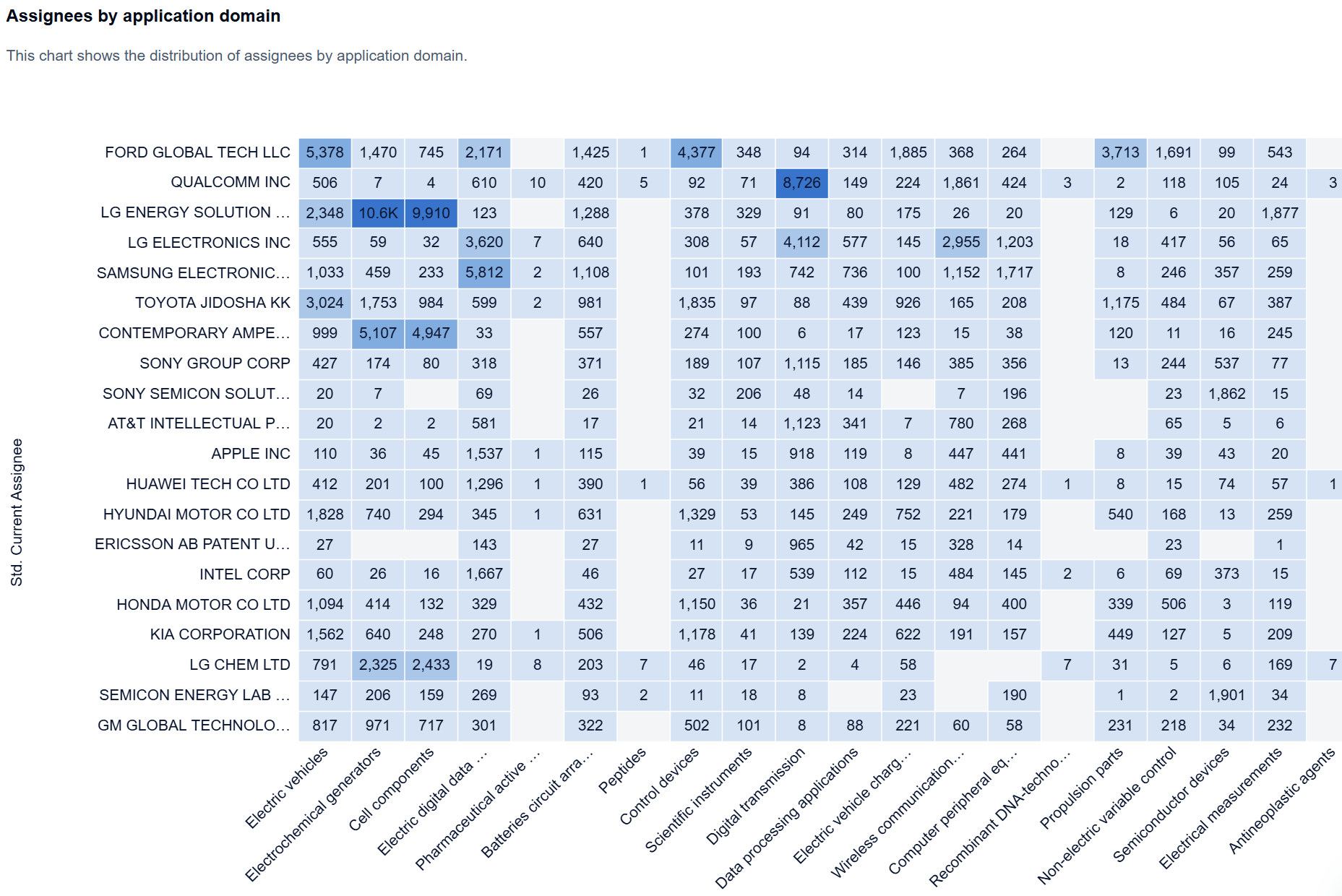
- Blocking clusters around core features

- Competitor filings monitored

Ready to Protect Your Innovation?
We help startups implement lean, practical FTO strategies that scale with your product.
Schedule Your IP Strategy Session to learn how we can support your journey from MVP to market launch.